

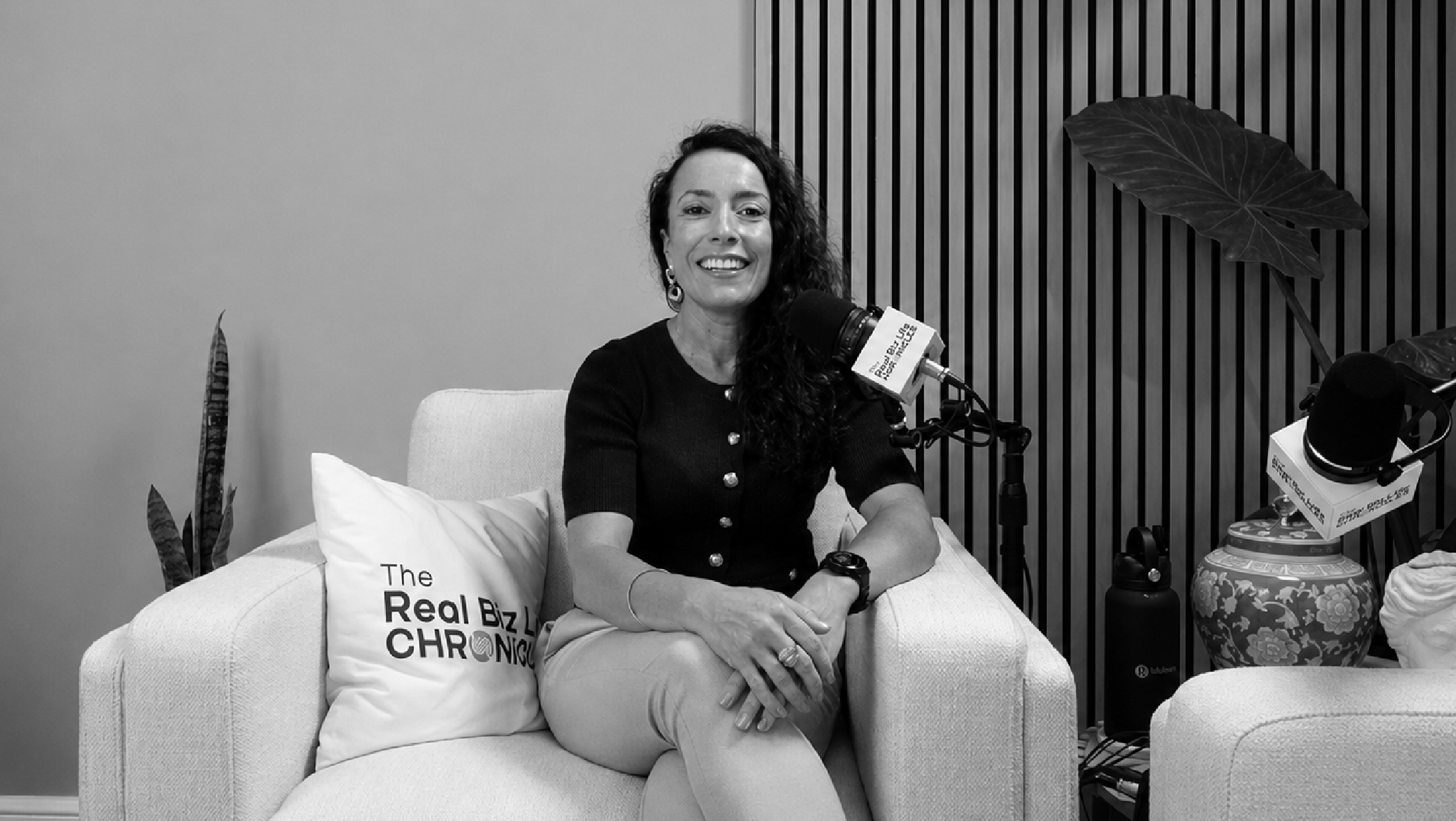
I’ve drawn on walls since I was about two. It followed me all the way through school, into studying art and graphic design, then a visual arts degree and a graphic design diploma. Somewhere along the way I learned to call my drawing and painting a hobby, something I rarely make time for, something I’d get to once the real work was done.
But here’s the thing. The work never gets done. Which means I never make time to draw or paint.
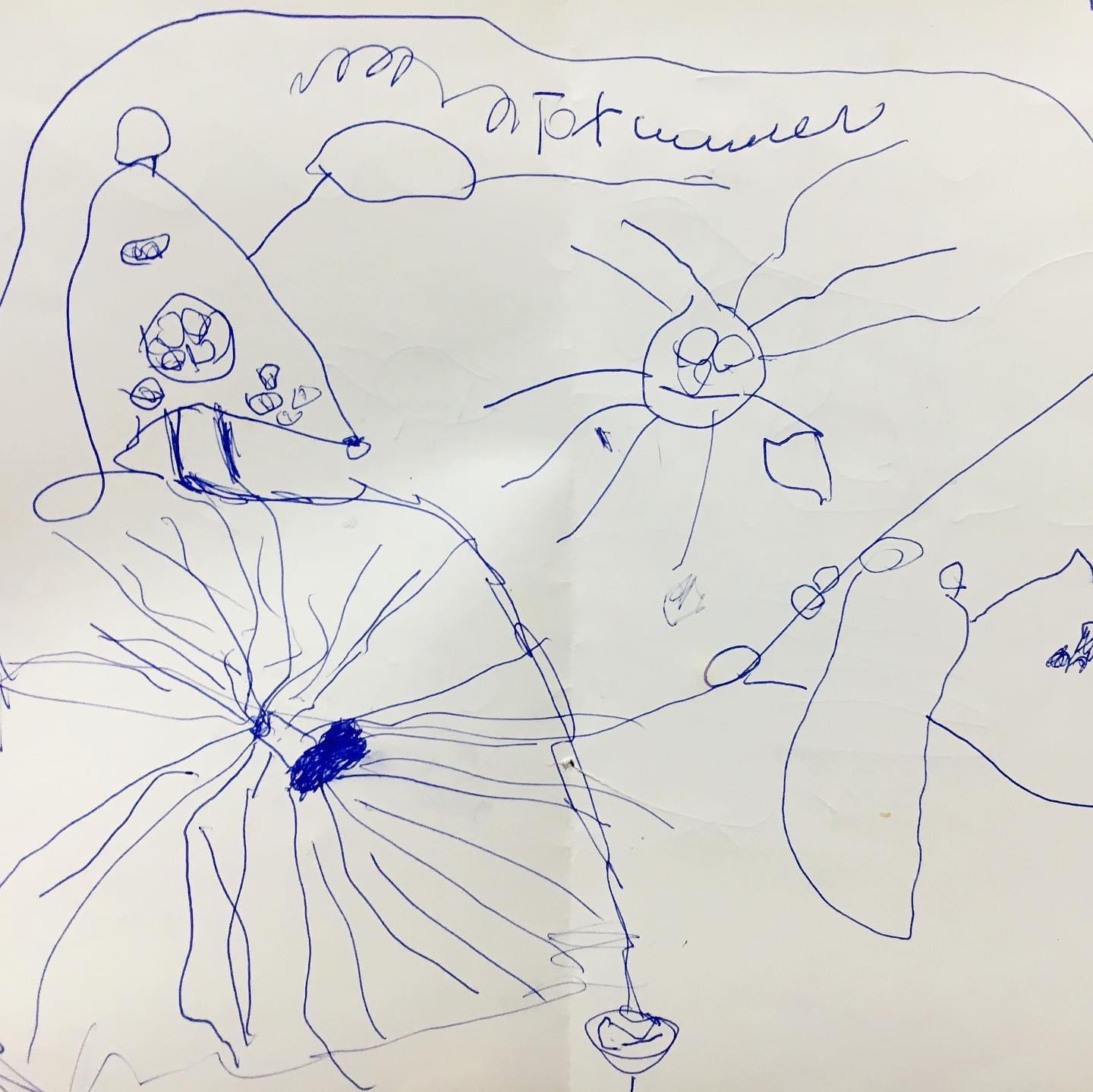
Drawing from when I was 2… “An artwork I did when I was 2 that my Mom still has.”
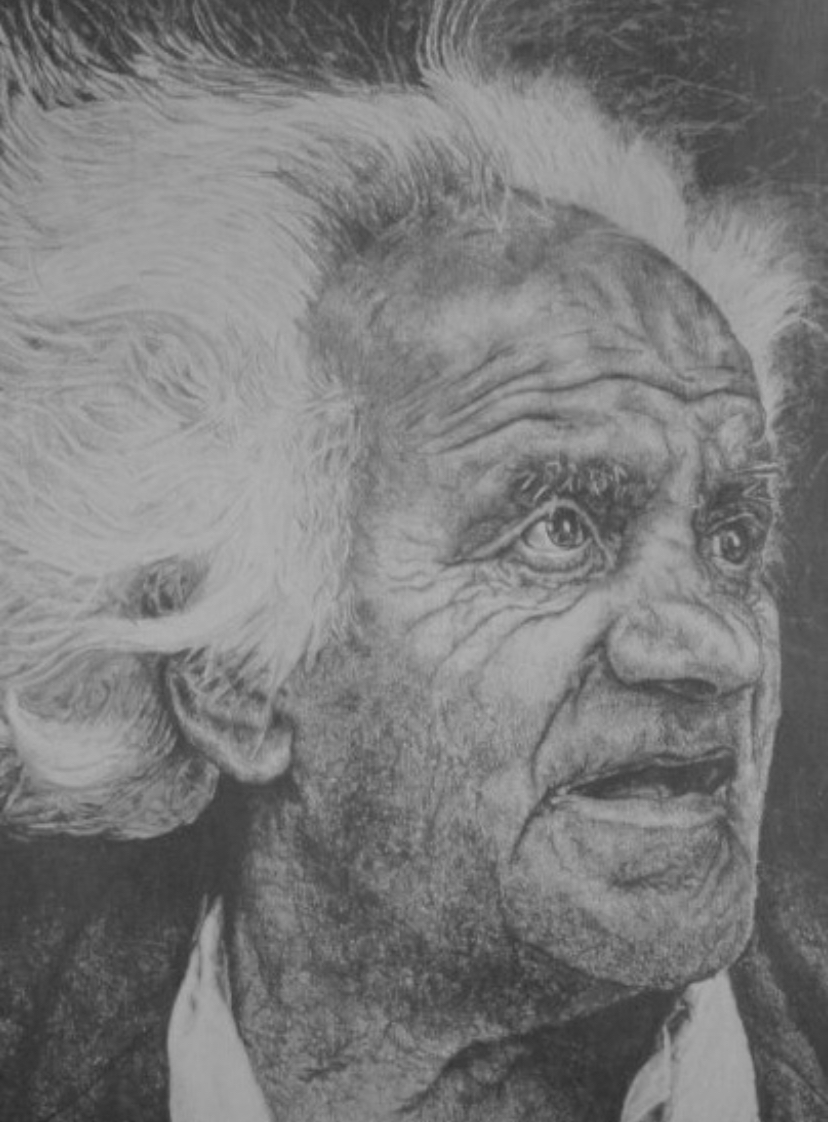
Both people in this edition never accepted that trade. They built entire careers on the very thing the rest of us were told to grow out of.
The two episodes below will make you wonder when you last did something just because it was fun.
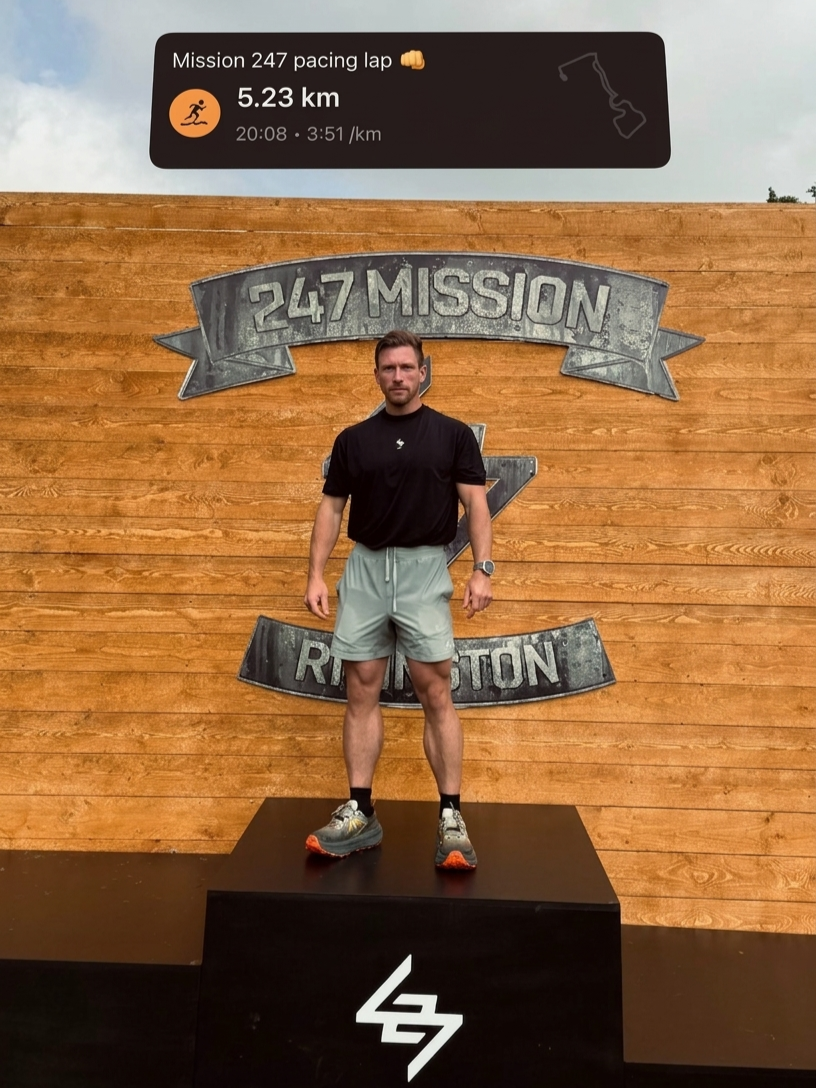
I sat across from David. A former professional athlete, now a sales leader who runs hundred-kilometre ultra-marathons in his spare time.
I asked him why he runs them, if not to win.
He told me he’s not a fast runner, he’s a finisher. It’s about the place, not the pace. He stops at the aid stations for a slice of pizza. The whole point is to enjoy the thing, not to beat it.
Then I sat across from Aden, the only person in Australia doing improvised theatre for a living, who walks into rooms full of exhausted scientists and surgeons and gets them laughing.
I asked him when most of us forget how to play.
He told me about a study where five-year-olds solve a creativity puzzle faster than seven-year-olds. By seven, he said, the hardening has already started. We learn to see the box as just a box.
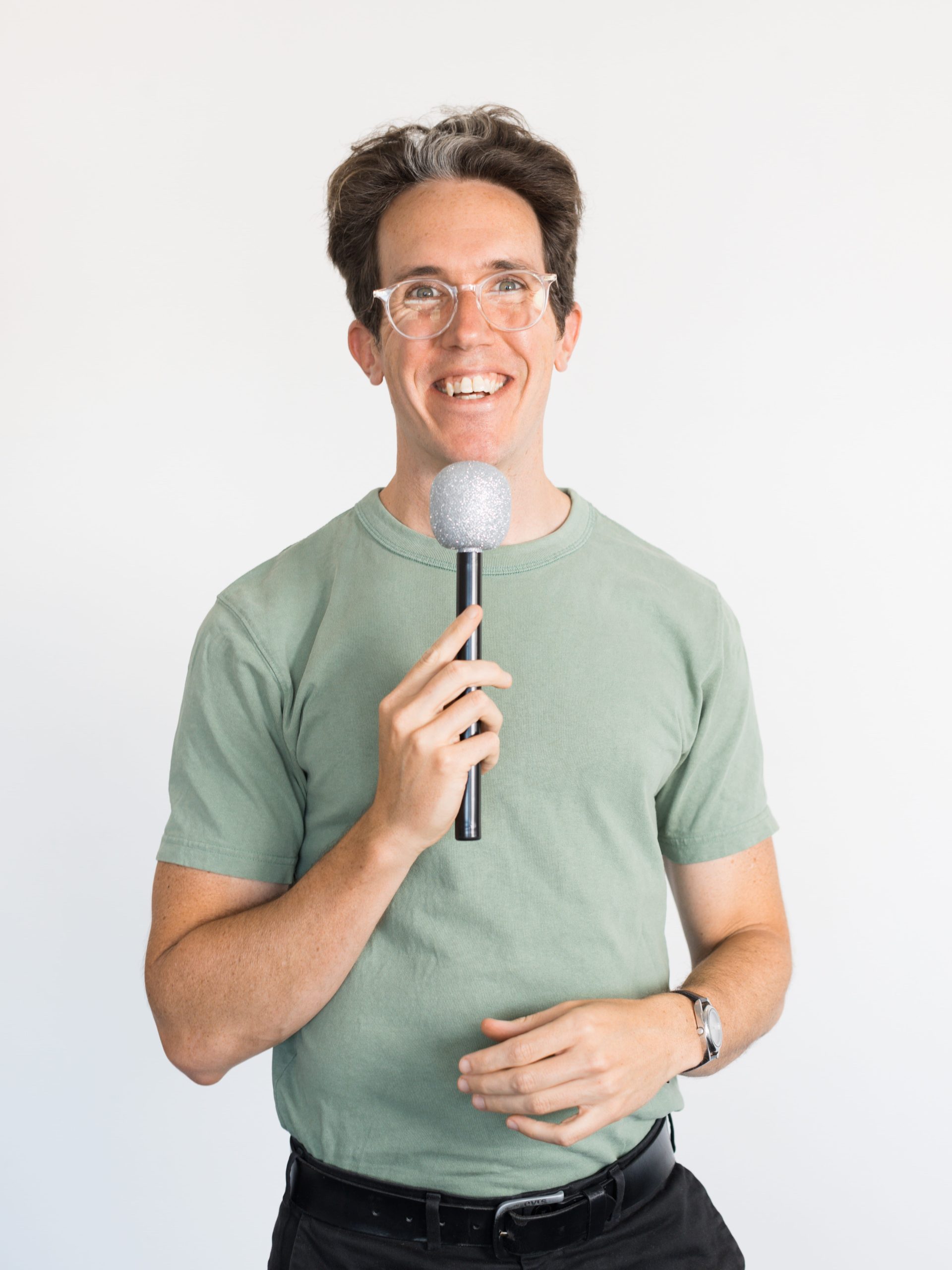
Here’s what I’m sitting with.
Play isn’t the reward for the work. It might be the work.
Both of them treat it as serious business. David finishing an ultra for the joy of it, Aden building a whole company on it. I see what I do in that too. The two best ideas I had this year came on a walk and on a holiday, the moments I let myself stop being useful. I keep forgetting that on purpose.
So the homework I’m giving myself, and you, is small.
Think of one thing you used to do purely because it was fun. No outcome, no point, no return. Then do a small version of it this week, without trying to make it productive.
The play isn’t stealing from the work. It’s feeding it.
One finds it at the back of an ultra-marathon. The other has built a life out of it. David first.
EPISODE 143: David Mercado
With David Mercado, founder of Sales Geek Manchester, former professional athlete and ultra-marathon runner
David was on track to be a professional baseballer until an injury ended it at 19. He landed in England with a backpack and 200 pounds, taught himself to sell knocking on doors in the Scottish rain, and spent two decades building sales teams before going out on his own. He now runs the largest Sales Geek network in the world, and runs ultra-marathons for the love of it, not the medal.
What you’ll take away:
- Why he does his best work on a team and his worst on his own, and how knowing that one thing about yourself changes what you say yes to
- What an ultra-marathon teaches you that a finish time never will, it’s about the place, not the pace, and the same turns out to be true of building a business
- The truth about modern sales, the buyer often knows more than you do, so it’s no longer the pitch that wins, it’s whether people actually like and trust you
One plays to the finish line. The other plays for a living.
EPISODE 144: Aden Date
With Aden Date, founder of Only the Human, performing artist and the only person doing improvised theatre full time in Australia
Aden was a bullied, dorky kid who turned comedy into a survival skill and never stopped playing. He now uses improvised theatre to unstick scientists, surgeons and exhausted executives, the people most boxed in by their own expertise. He wrote a book, Funny Business, on what improvisation teaches us about creative thinking, and built his whole business on one belief, that play makes work more creative.
What you’ll take away:
- The box study that explains why five-year-olds out-think seven-year-olds, and what “cognitive hardening” is quietly doing to yours
- Why play is one of the best defences against burnout, and the first thing we drop the moment we get busy
- The difference between real play and forcing fun, and the simplest way back in, rewind to the last thing you did purely for its own sake
P.S.
If your brand has started to feel like a box to tick instead of something you actually enjoy, talk to me.
I keep a handful of free Brand Discovery sessions aside each month, just for TRBLC listeners. One hour, with me. We look at where your brand is actually landing and what’s holding it back.